
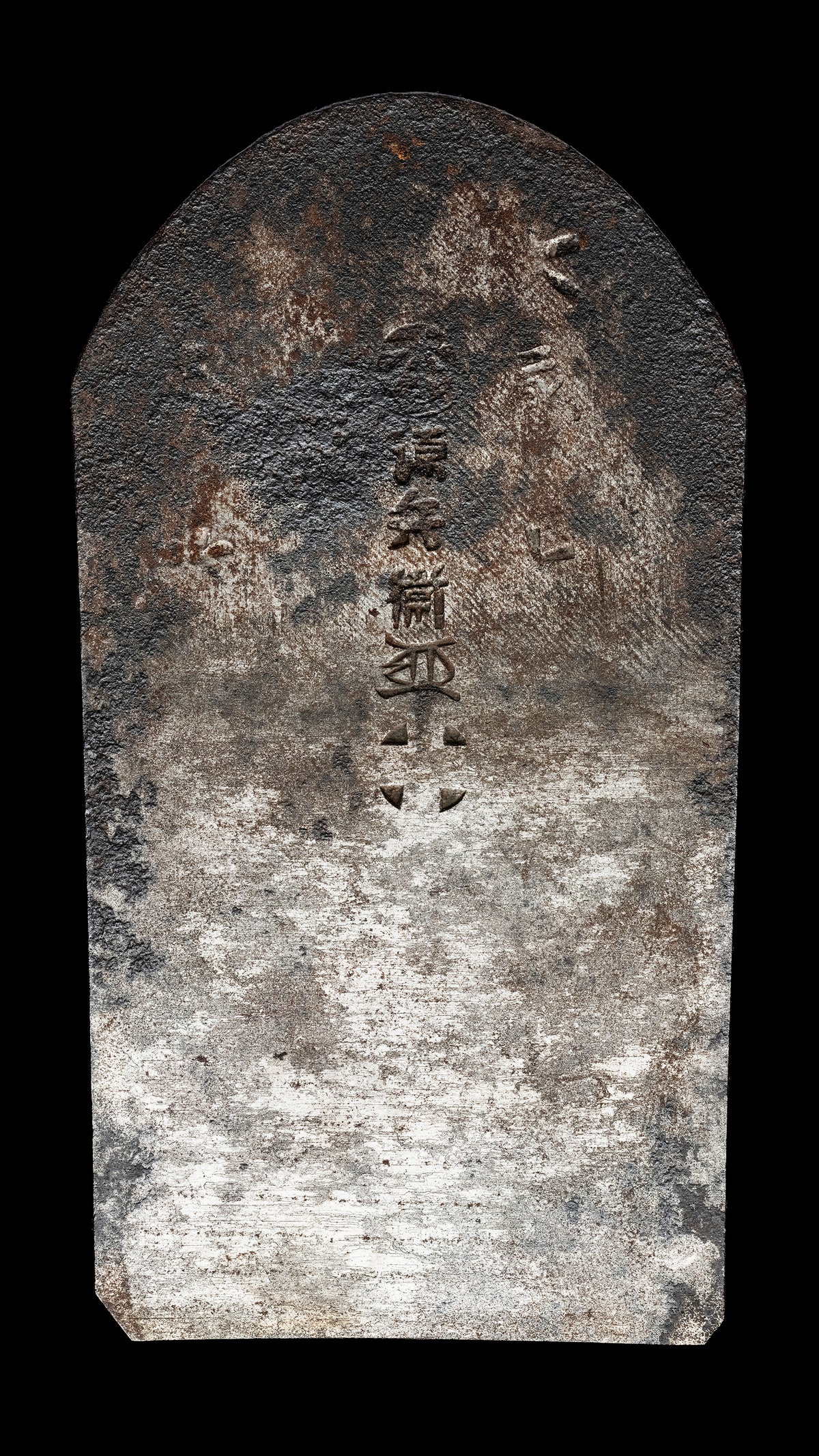
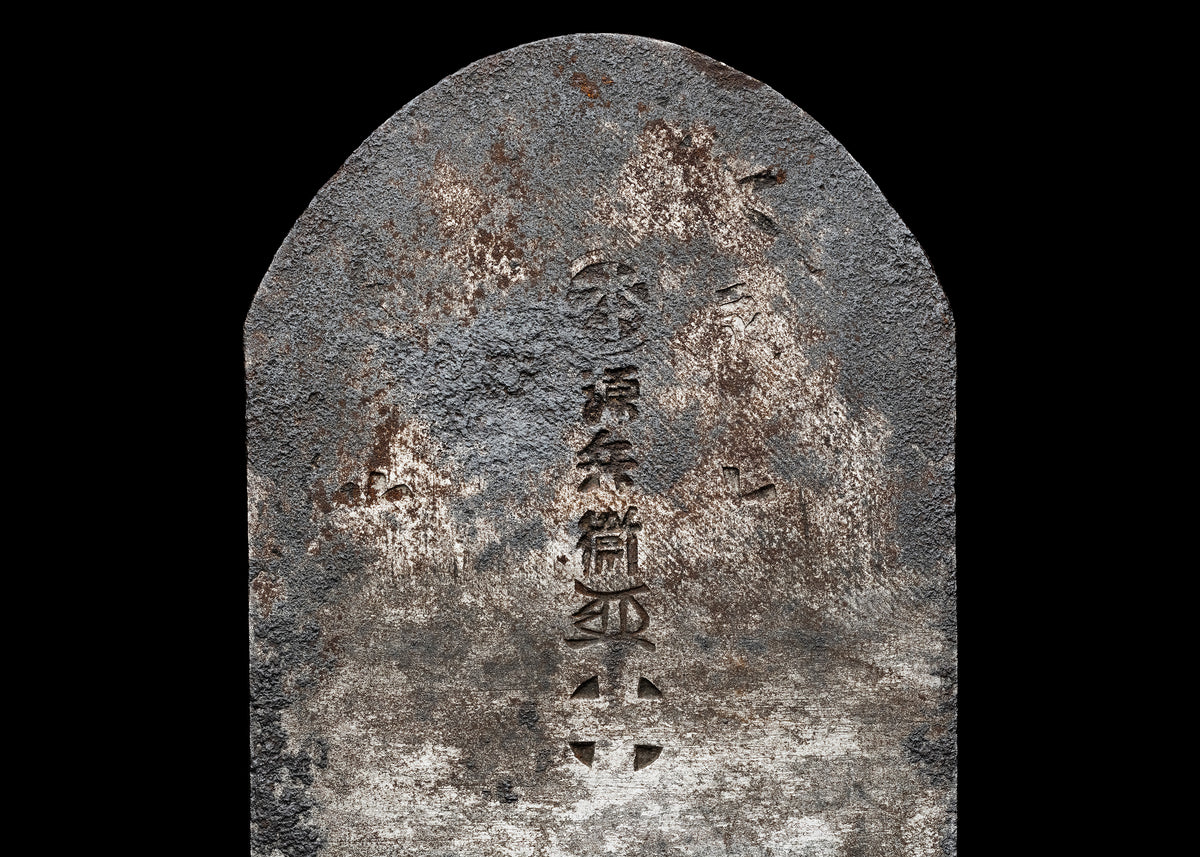
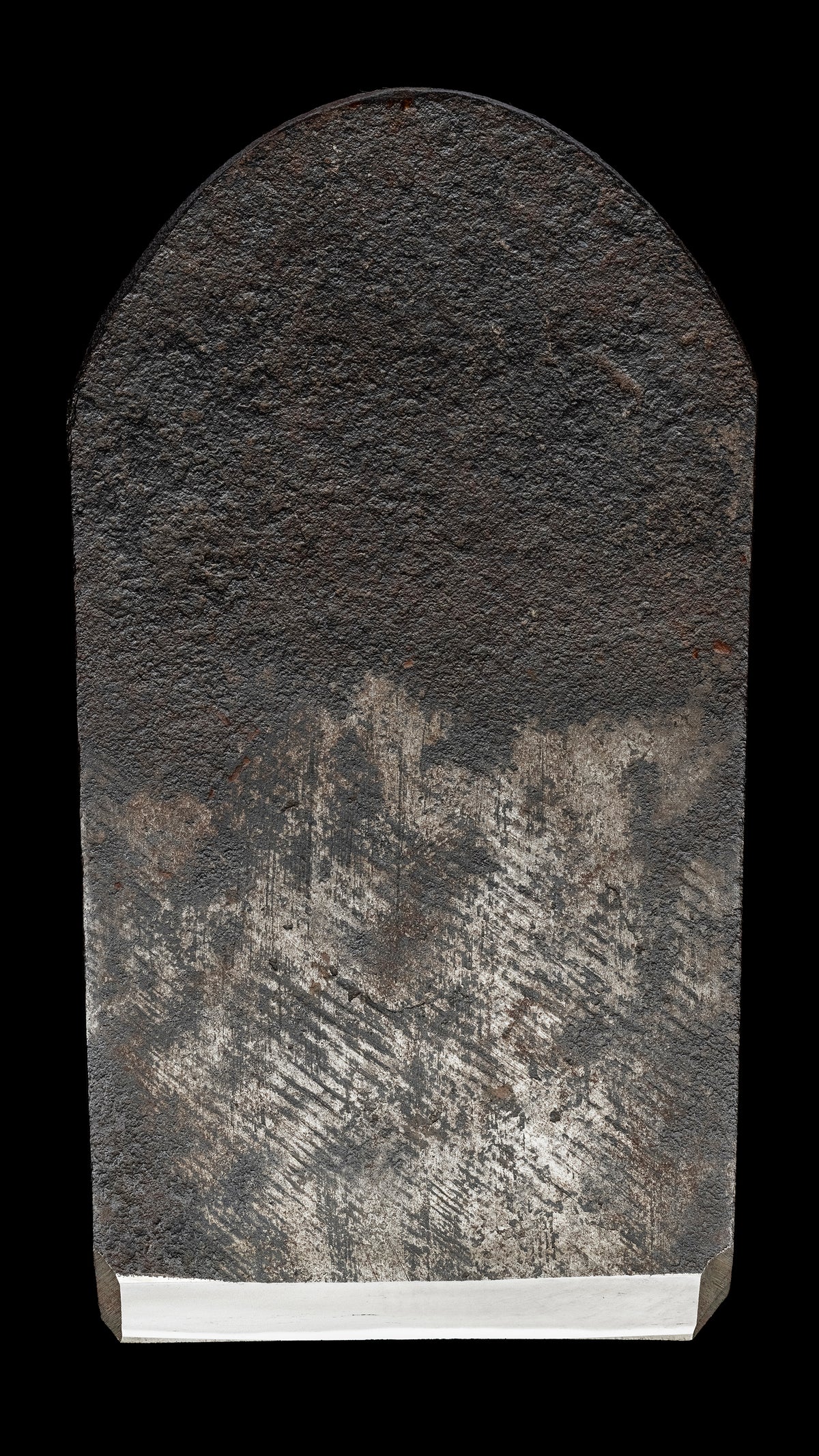
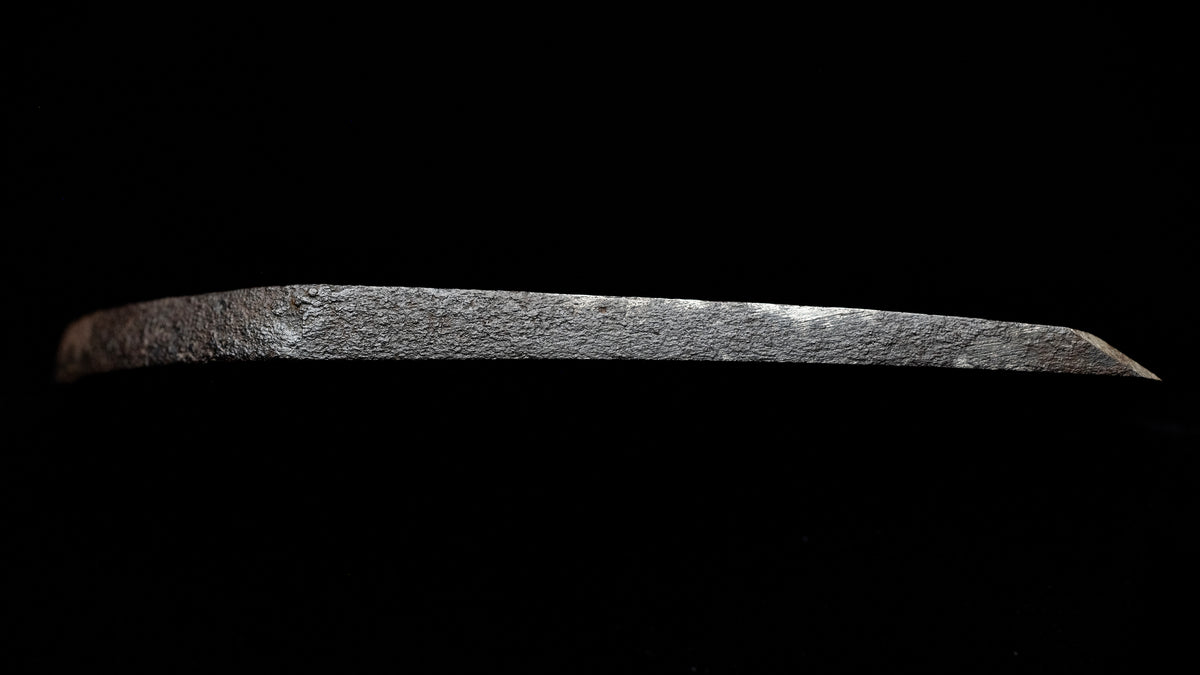
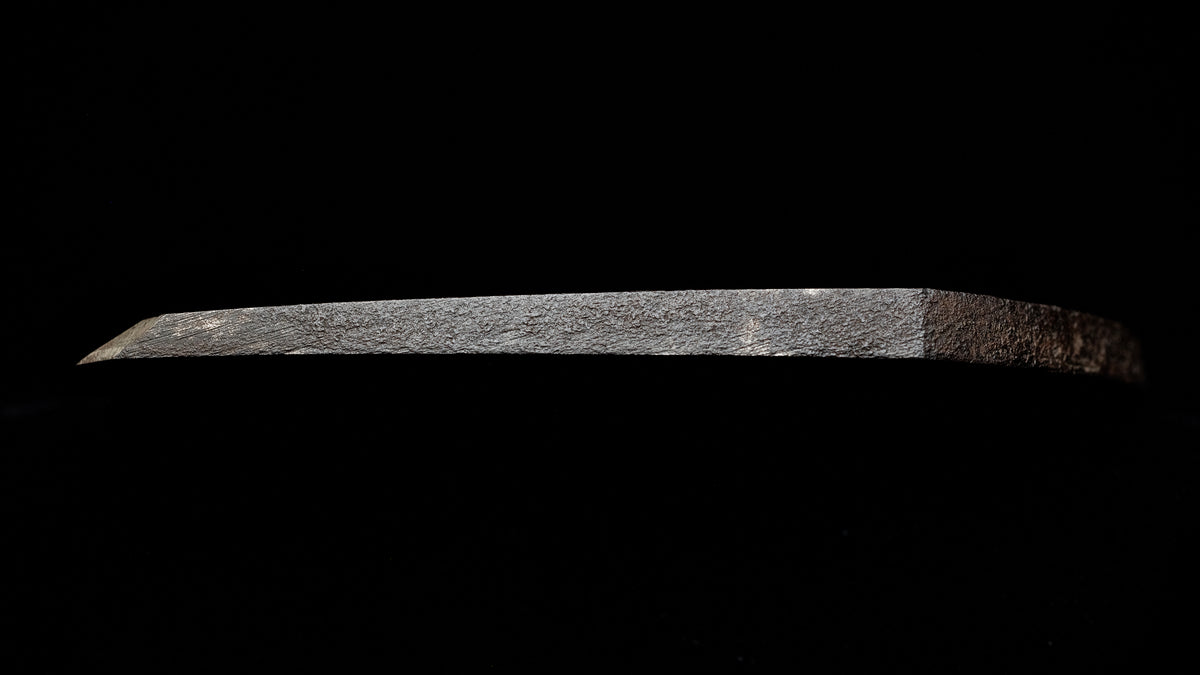
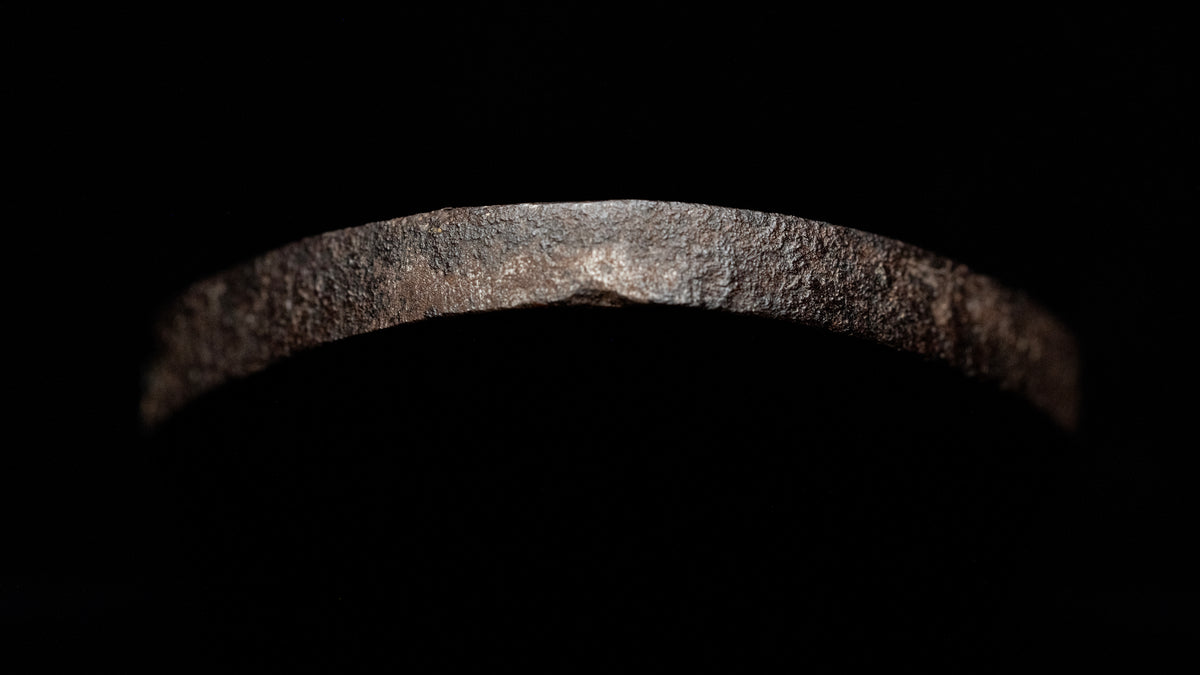
Kanna Japanese Smoothing Plane Blade By Genbee - 55mm
Brand name: Genbee(源兵衛)
Smith name: unknwon
Steel: Tamahagane
Jigane: Watetsu (Japanese traditional iron)
Blade Width: 63mm
Blade length: 106mm
Blade Weight: 228g
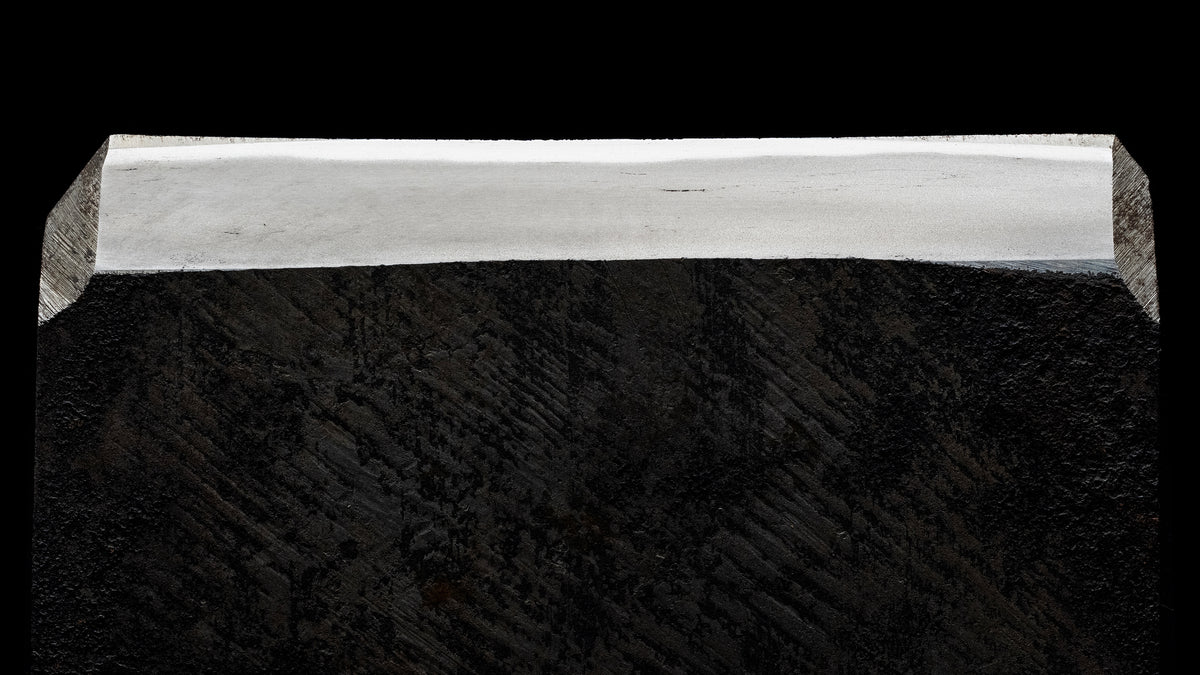
Blade Angles: 30°
Blade thickness: The blade near the bevel(about 4.50mm),Top of Blade(about 6.50mm)
Accessories: -
Manufacture Era: Late Edo to early Meiji period
Additional Information: I discovered this plane blade inside a toolbox bought as a lot from the descendant of a retired Kansai-area miya-daiku (shrine and temple carpenter). While the seller emphasized that the box contained many fine Shōwa-era tools, this barely-used blade seemed to have slipped under his radar.
In fact, the blacksmith behind this blade was Genbee (real name unknown), a master plane-maker active in the Kansai region from the late Edo to the Meiji period. Chiyozuru Korehide—the legendary master who synthesized modern Japanese tools forging—acquired a Genbee blade in Tokyo during the Meiji era, likely from a secondhand tool shop or an yomise (night market tool shop). Recognizing Genbei’s exceptional craftsmanship and masterclass forge-welding of jigane (cladding iron) and soft iron, Korehide regarded him as an essential study model. Furthermore, tool scholar Noboru Tsuchida noted after measuring the thickness across various points of a Genbei blade: “One can clearly perceive the exquisite mastery in the thickness distribution achieved during the hot-forging stage.” —— 「鉋の技と銘品大全」,p69
Yomise were evening shops popular during the Meiji era that specialized in carpentry tools, operating from dusk into the night. After finishing a day's work, eating dinner, or visiting the public bath, carpenters routinely browsed these stalls to pick up tools for the next day or hunt for treasures. They sold both new and secondhand tools. Ambitious blacksmiths seeking to gauge their peers' skill levels also frequented these spots. Documented shops include one run by Jinzo Matsushita in Shimoya-Takecho, Taito Ward, with similar stalls operating in Yotsuya and Morishita.
Genbee’s renown eventually grew so great that Jinzo Matsushita’s shop commissioned blacksmith Harada to forge replicas—at one point recording sales of 50 blades in a single evening.
I asked Mr. Tsuchida to authenticate this specific blade, and he confirmed it as genuine, forged from watetsu (Japanese iron) and tamahagane. He also mentioned that Genbee was rather flexible when selecting his watetsu jigane, refusing to limit himself solely to soft watetsu; Mr. Tsuchida had even handled Genbee blades where the jigane approached the hardness of steel. When I sharpened this blade, the iron cladding was indeed on the harder side, and its grain revealed a dense structure with minimal impurities.
Hand-forged between the late Edo and early Meiji periods, this blade holds far greater value as a piece of smithing history and technical heritage than as a mere user tool. To preserve as much of the original craftsman’s working marks as possible, I limited my restoration to clearing away superficial surface rust and refining the bevel strictly on natural finishing stones.
オプションを選択