
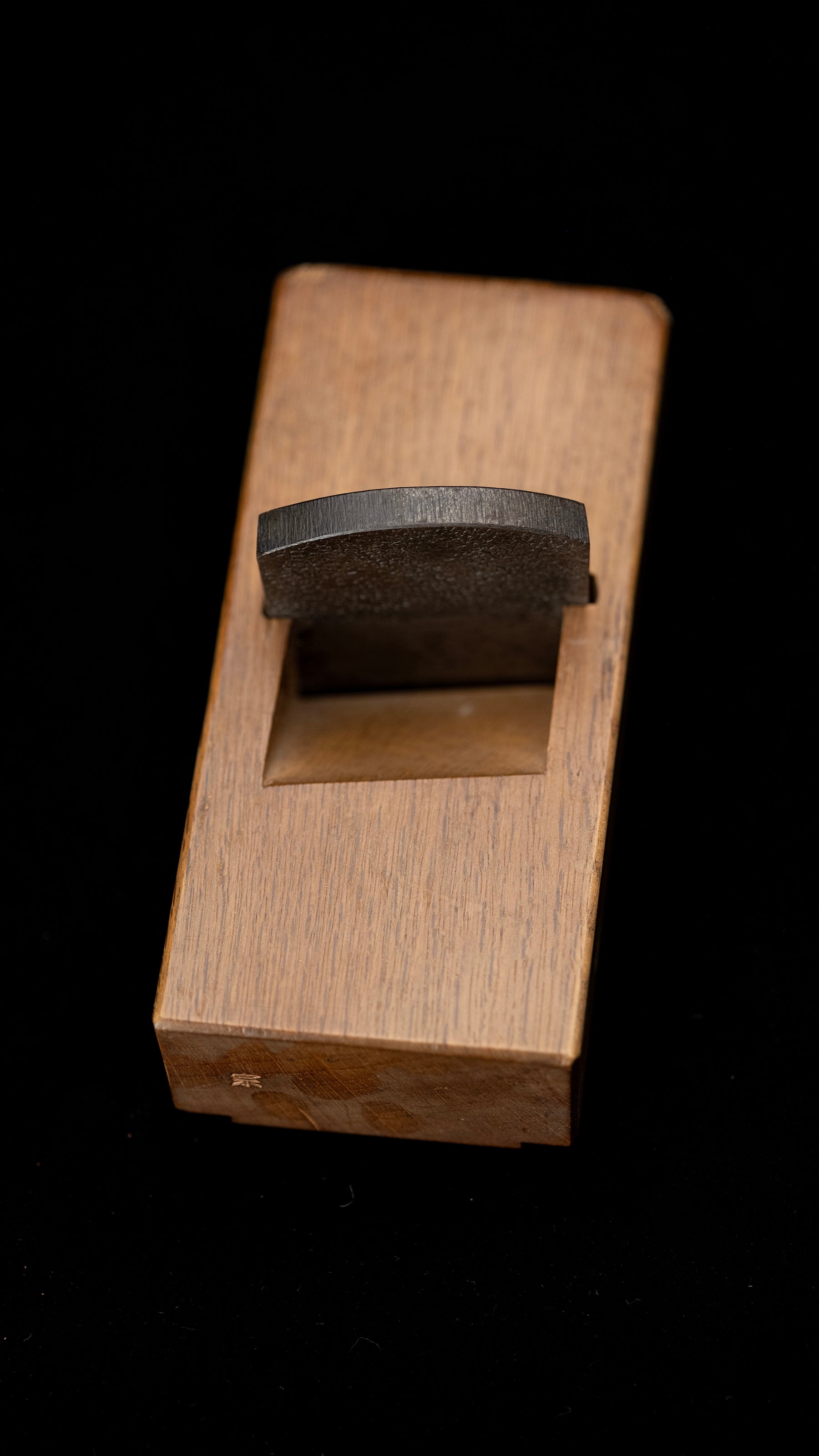
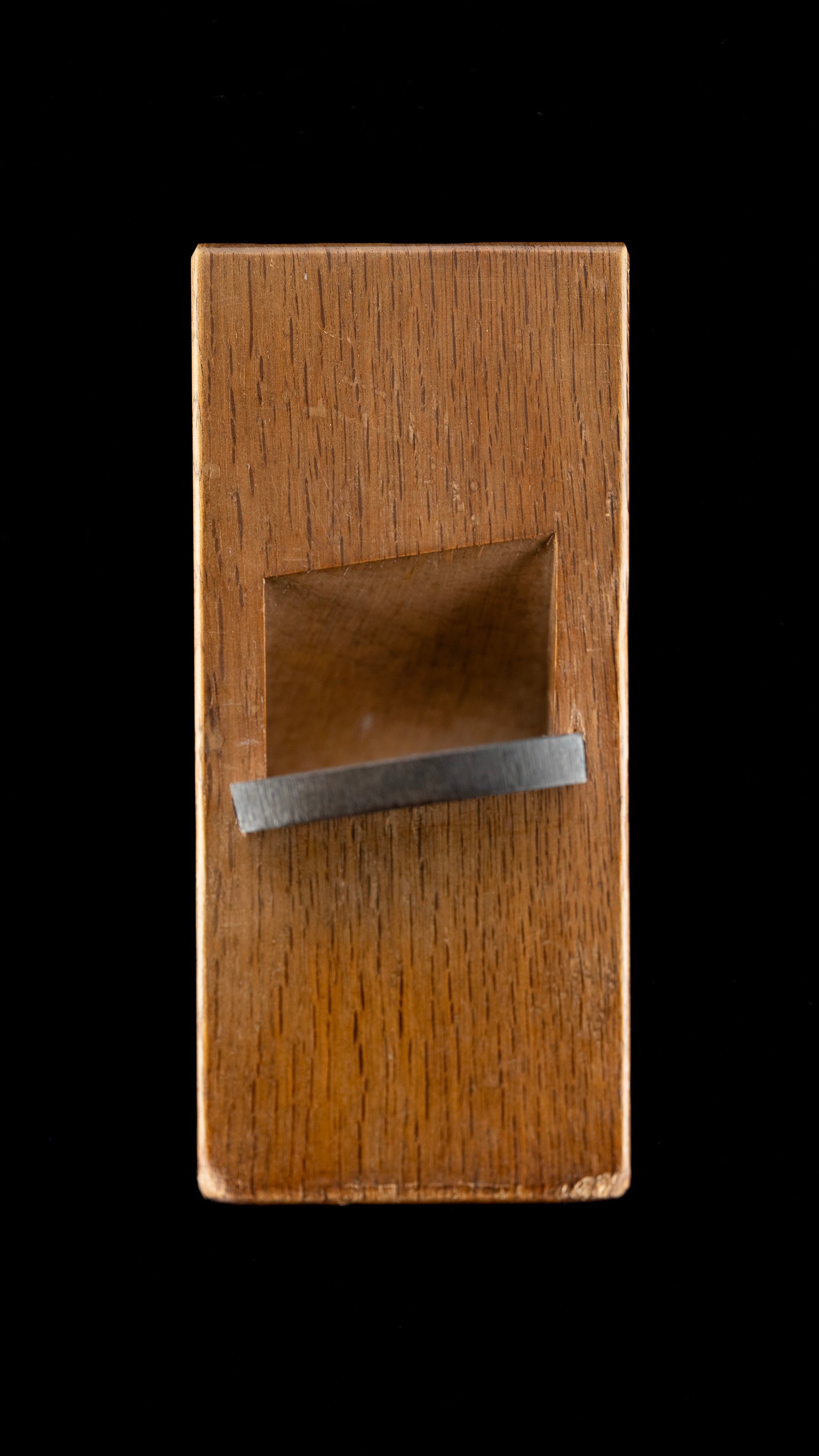
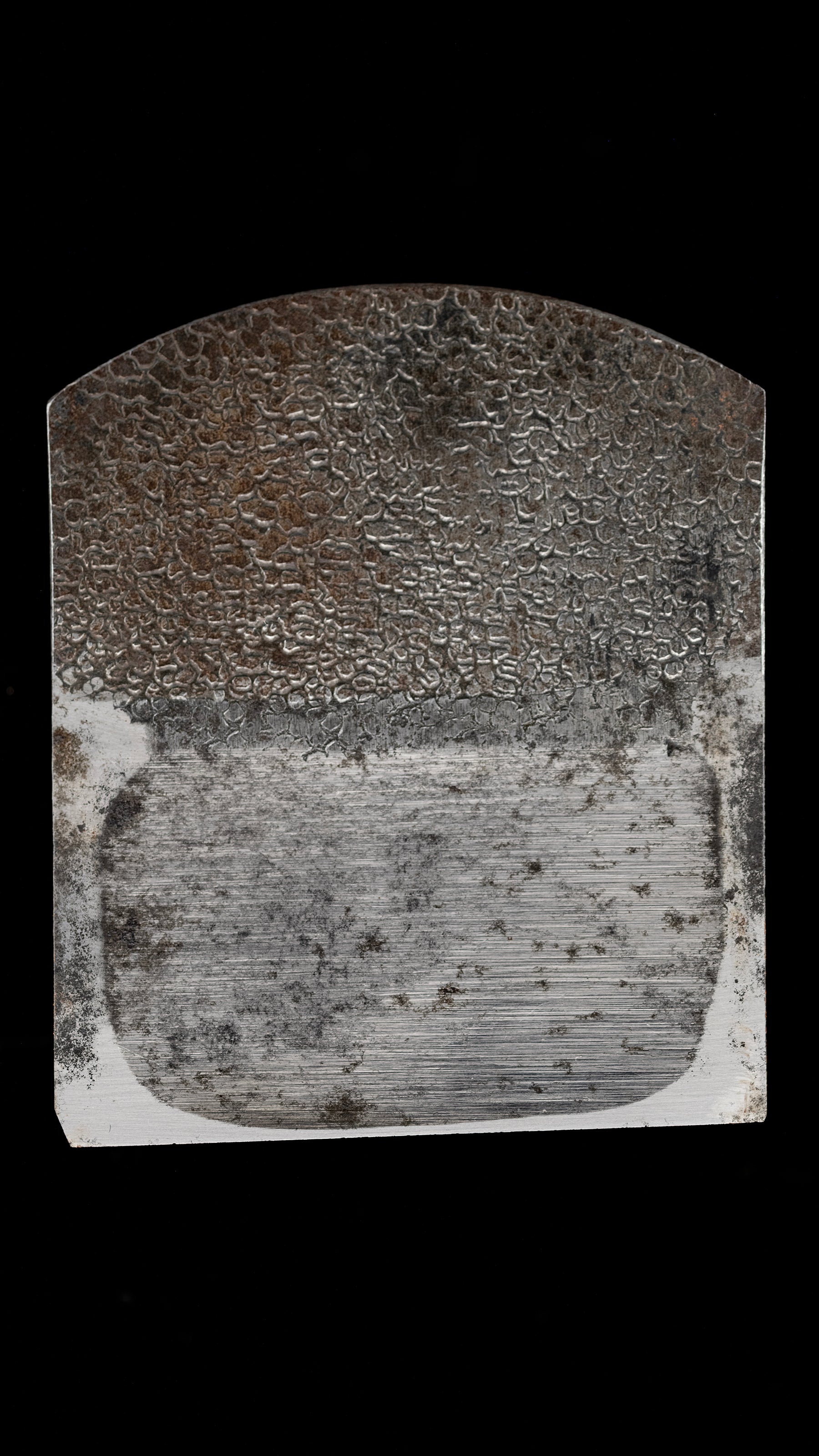
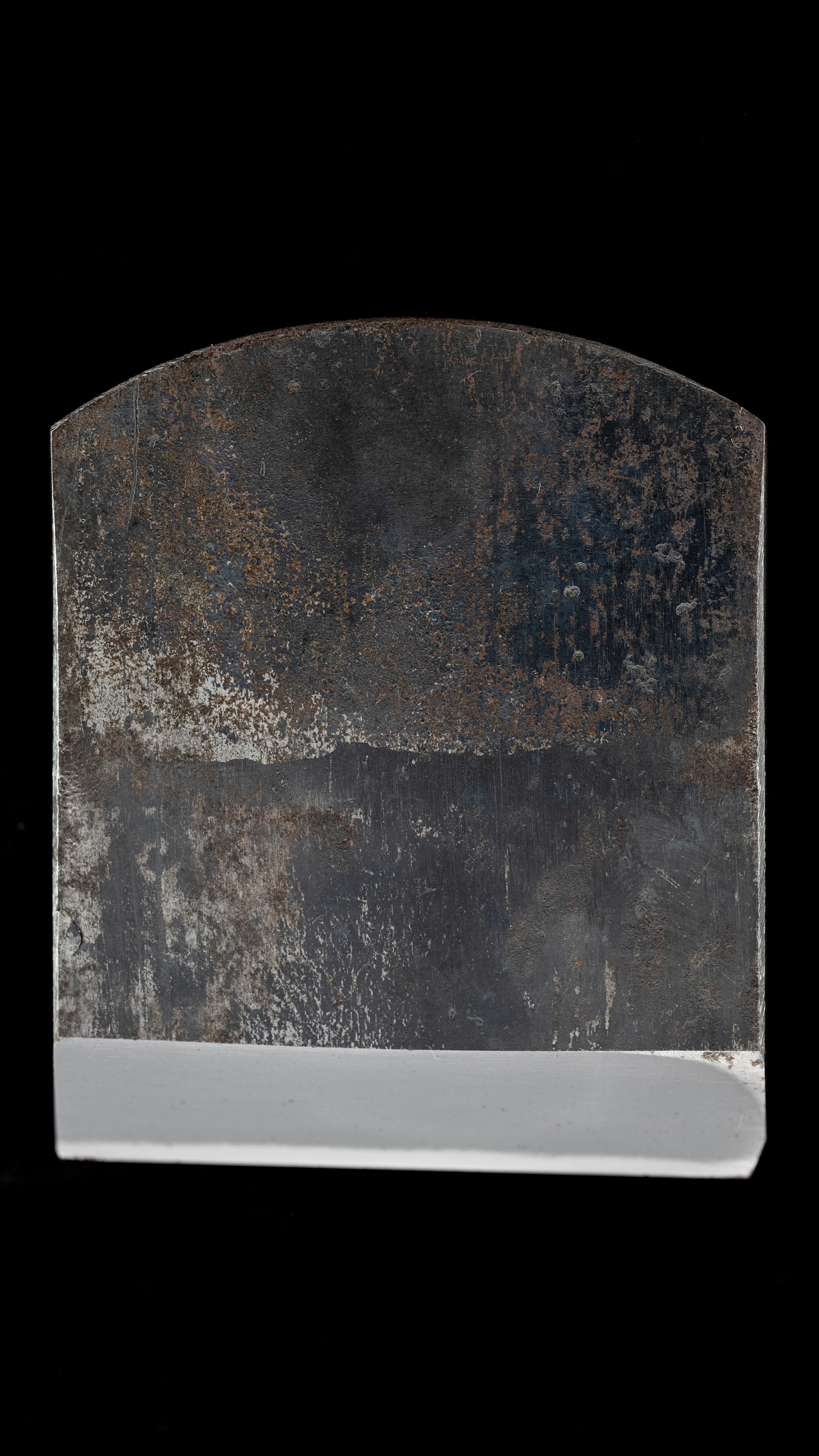
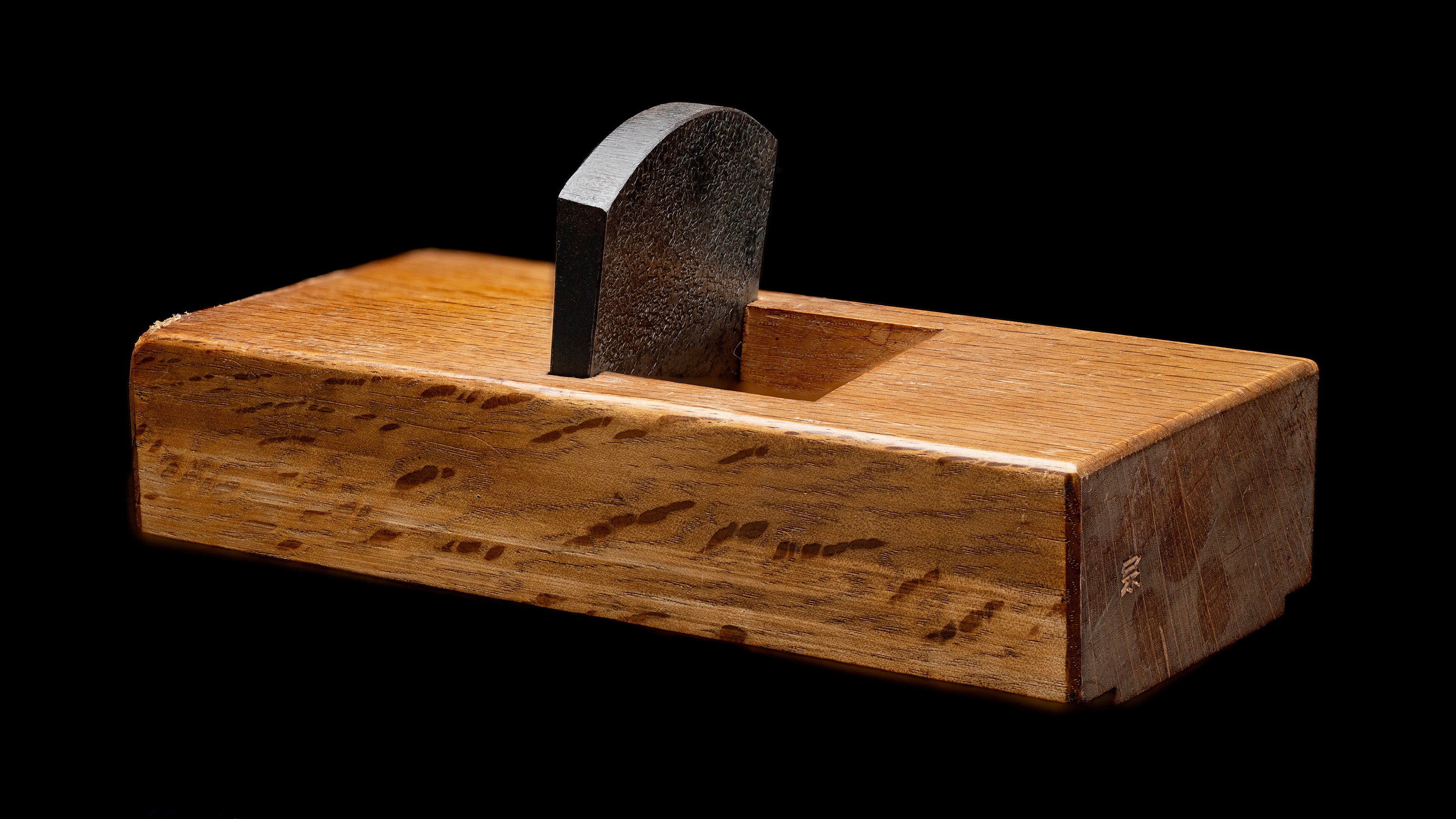
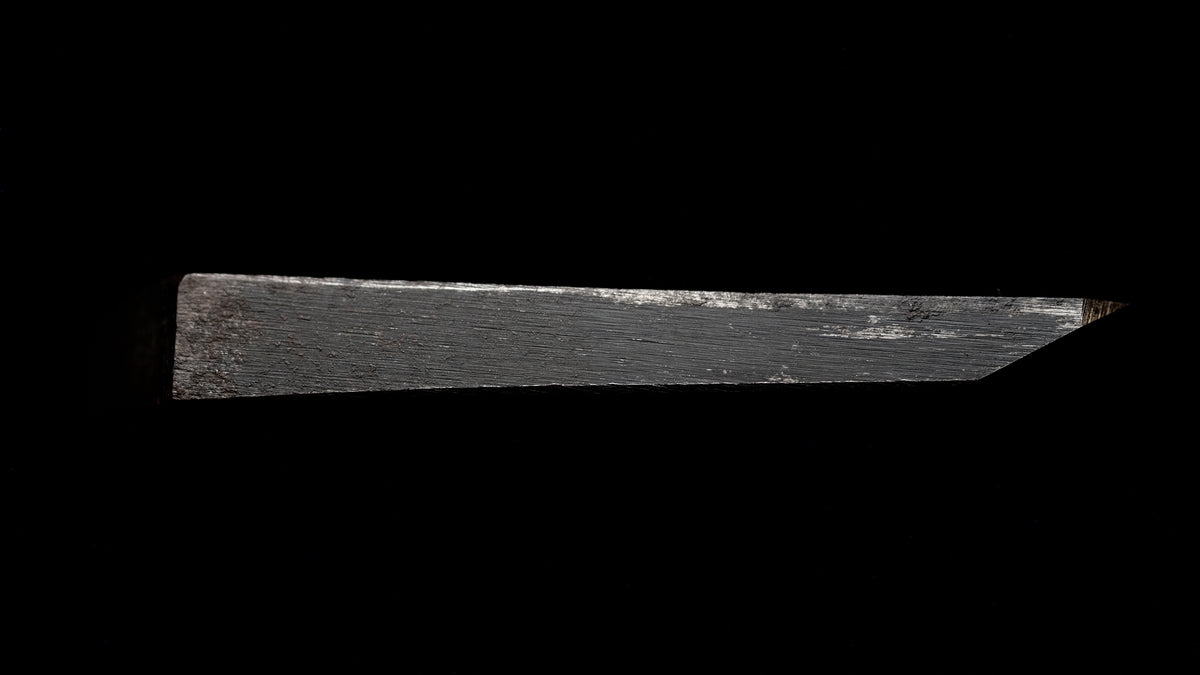
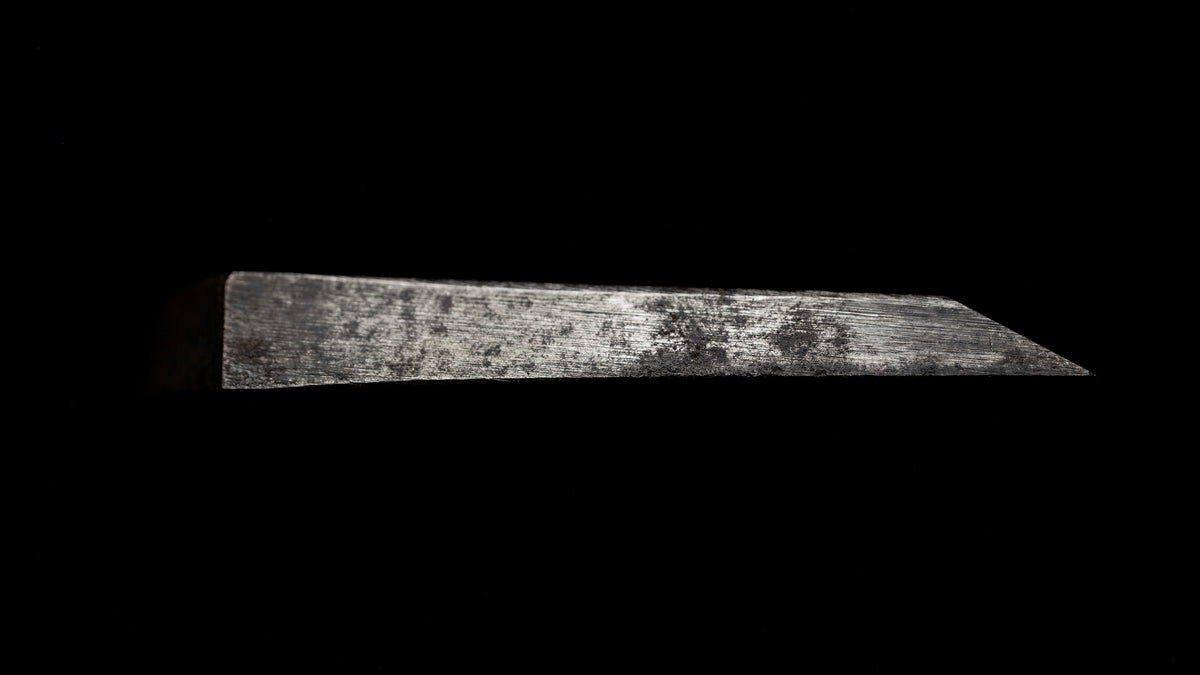
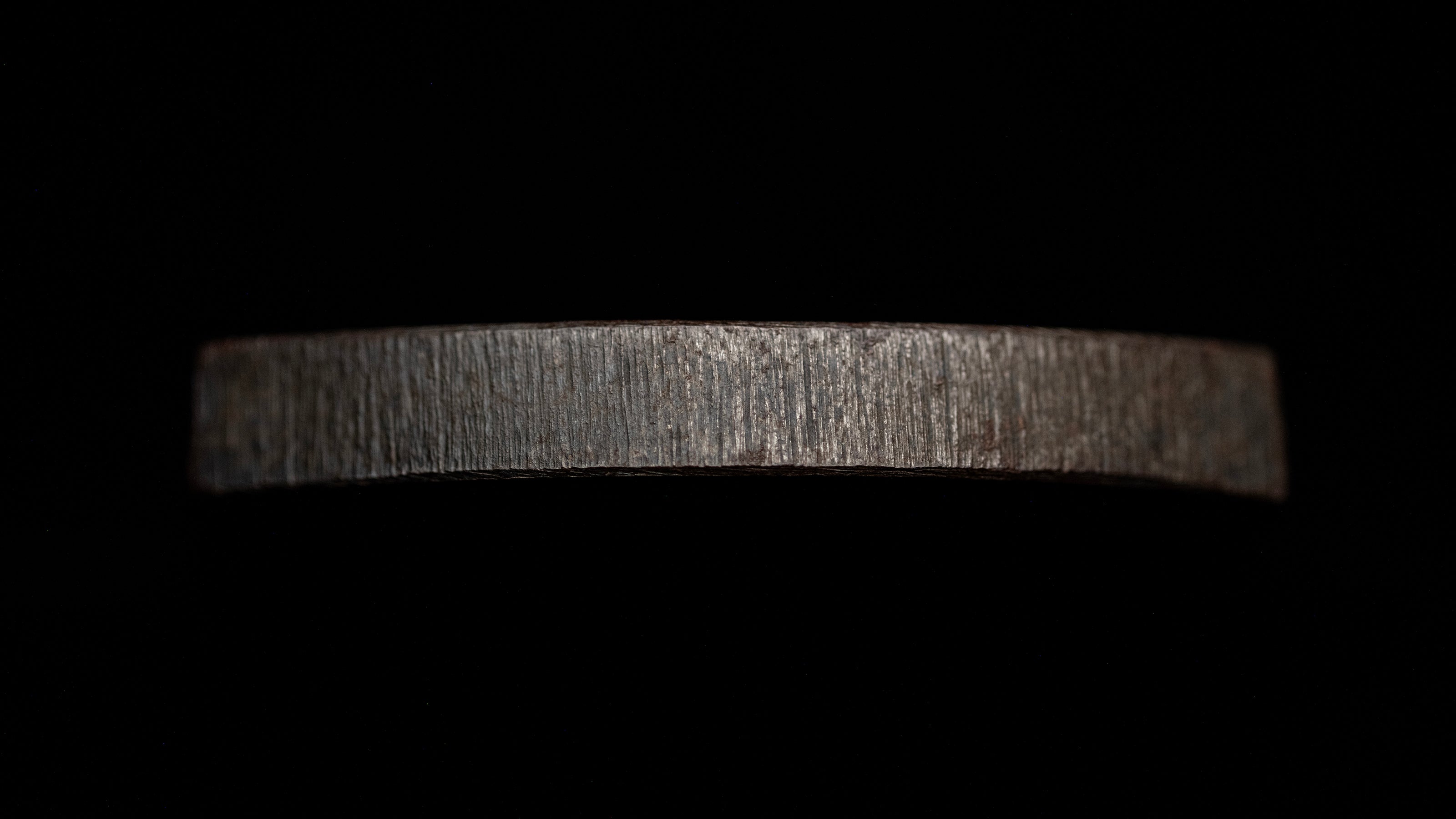
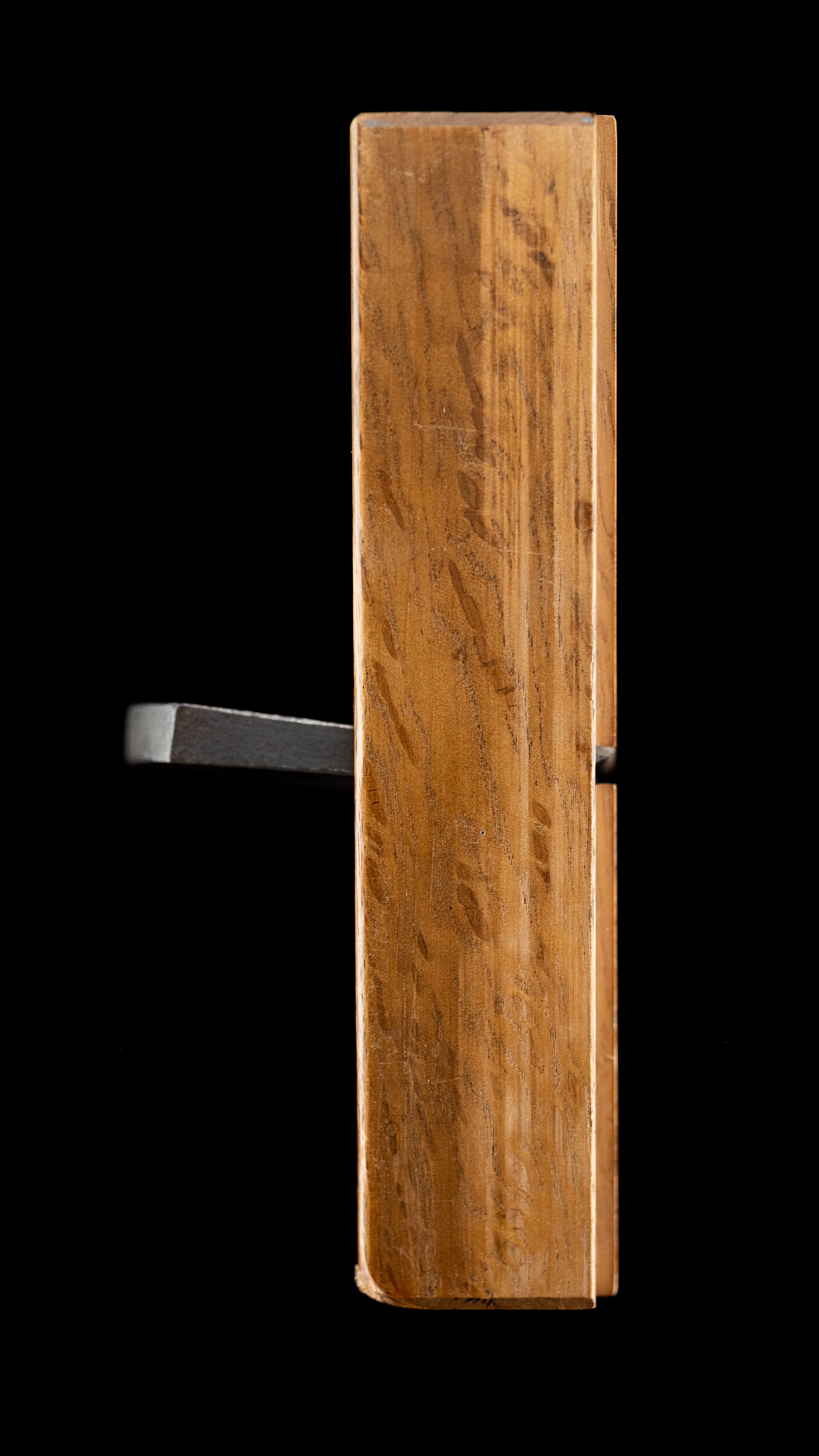
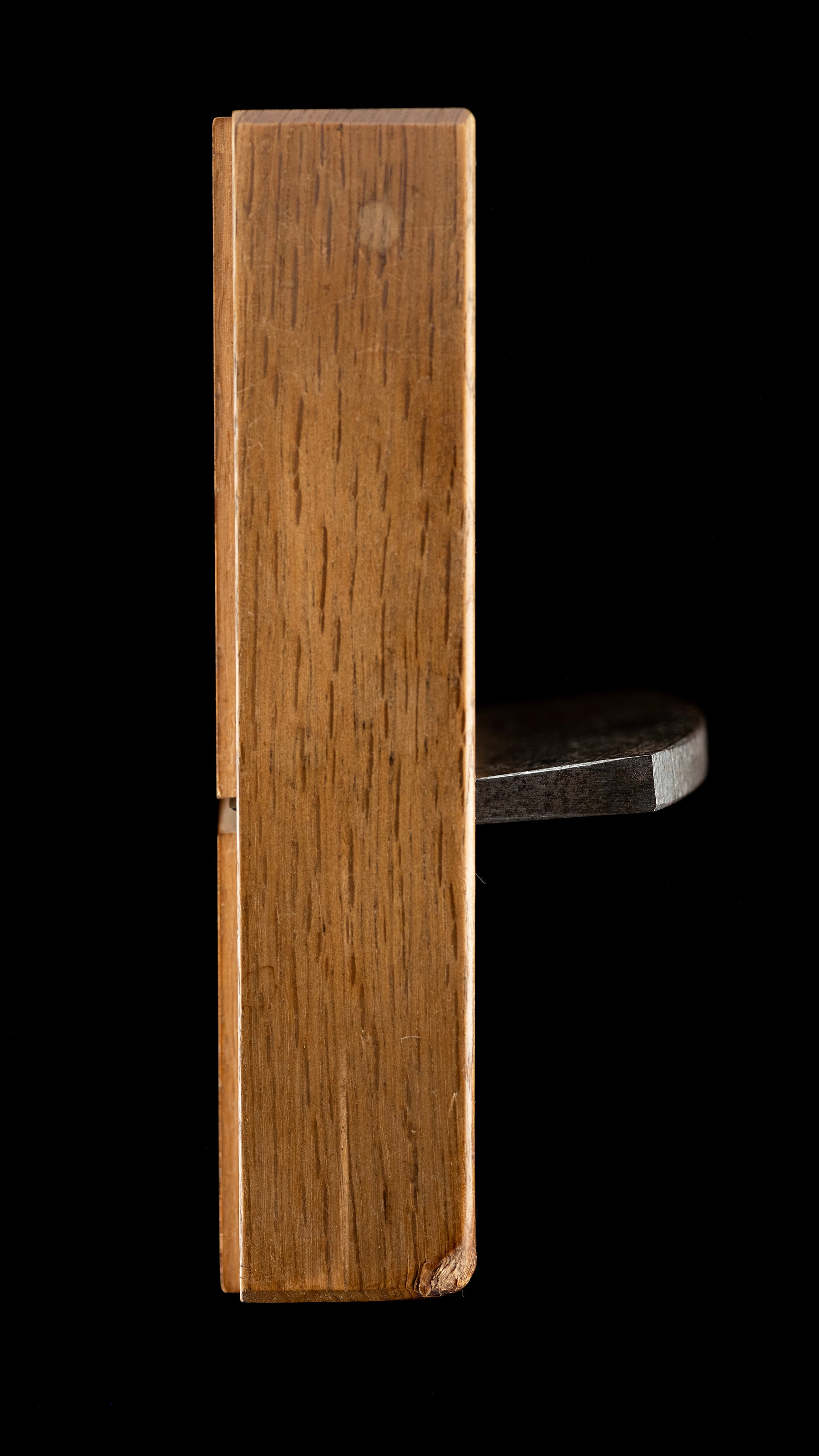
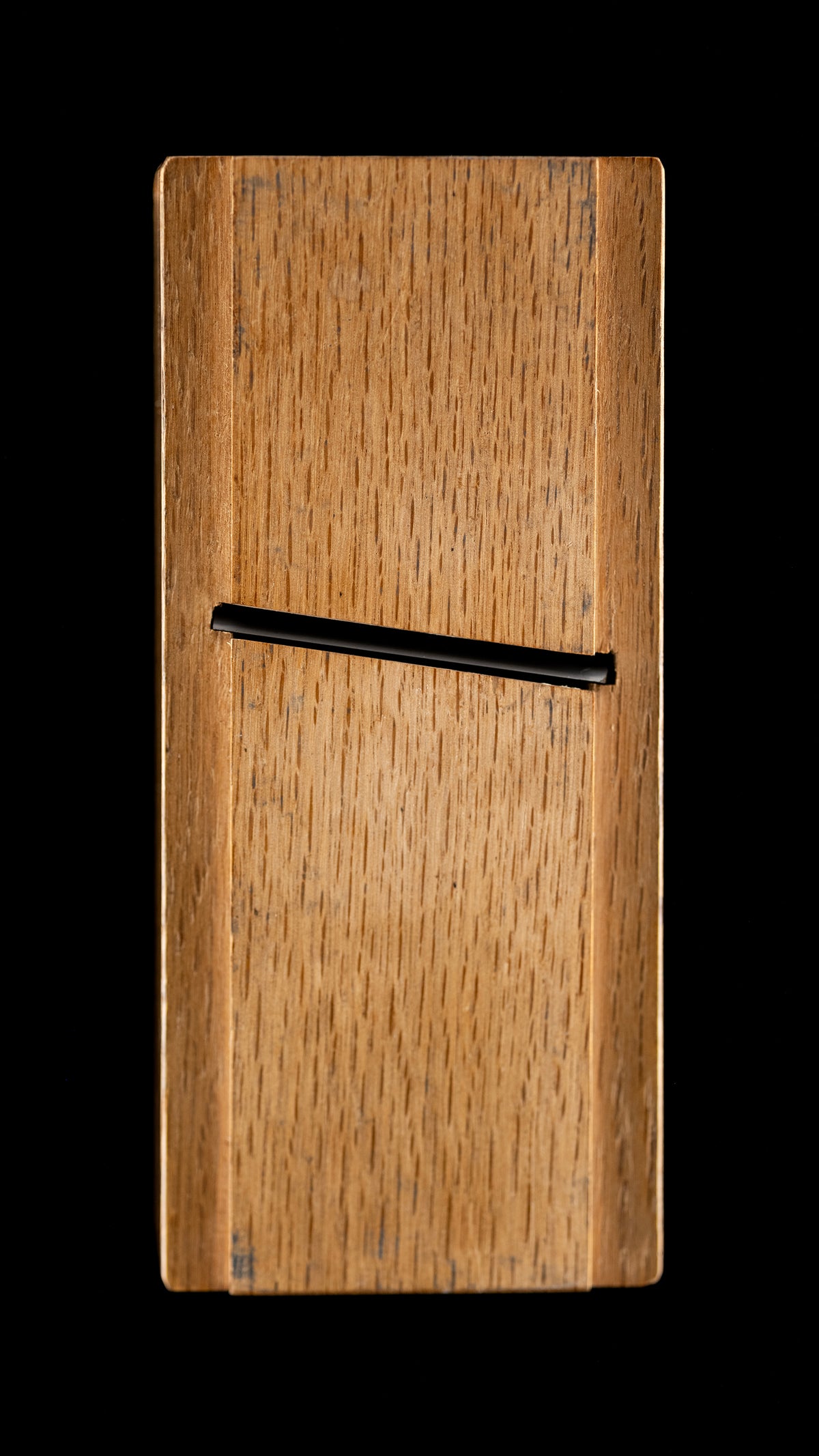
Dainaoshi-Kanna Japanese Standing/Scraper Plane By Oguma Torazaburo - 48mm
Smith name: Oguma Torazaburo(小熊寅三郎)
Steel: Carbon Steel
Jigane(Iron part of the blade): Kamaji
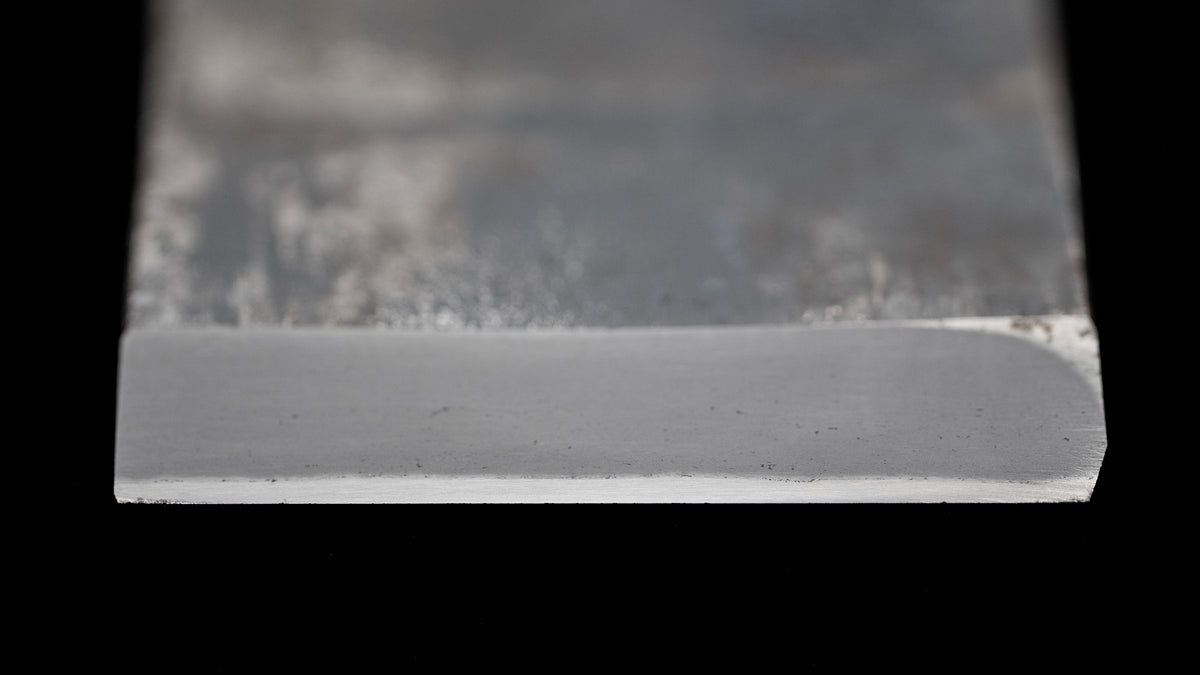
Cutting edge width: 48mm
Blade total length: 61mm
Blade thickness: The blade near the bevel(about 5.60mm),Top of Blade(about 7.90mm)
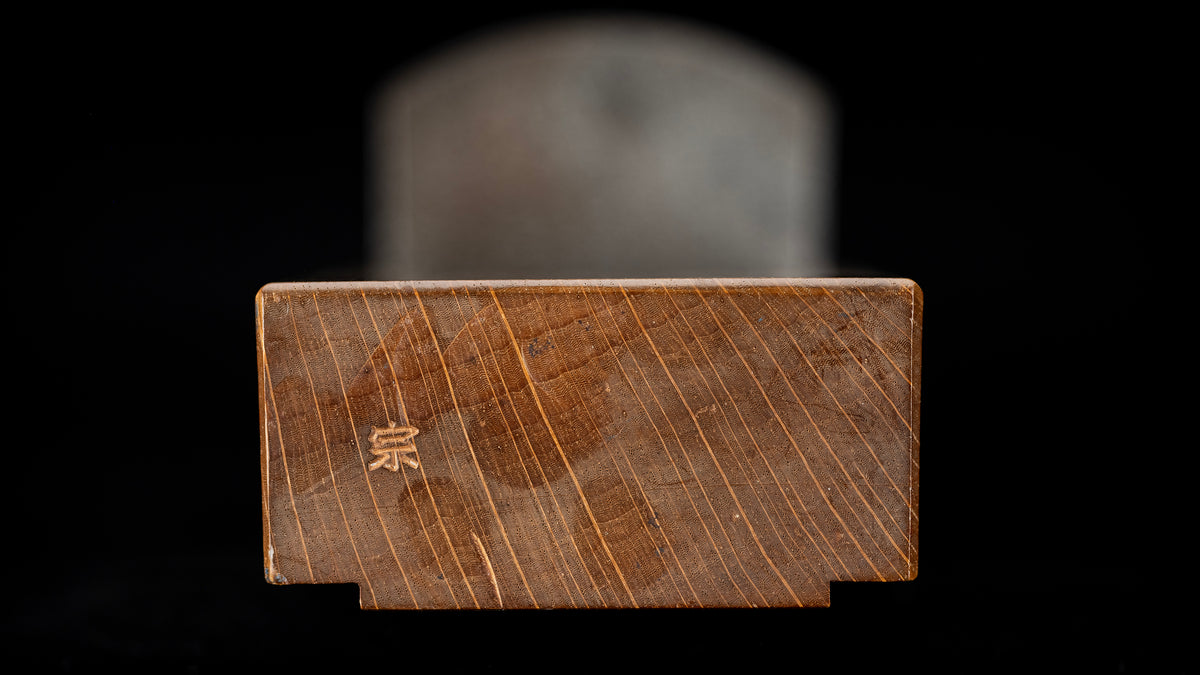
Wooden body artisan name: Ito Soichiro(伊藤宗一郎, 1922-2017, The plane blocks he made typically feature a '宗' stamp on the end grain / butt end of the dai.)
The length, height (at its highest point), and width(widest part) of the wooden body :
153mm, 71mm, 35mm
Wooden Body: Japanese white oak
Manufacture Era: Around 1980s
Weight: 453g
Blade Angles: 28°
Accessories:-
Additional Information:
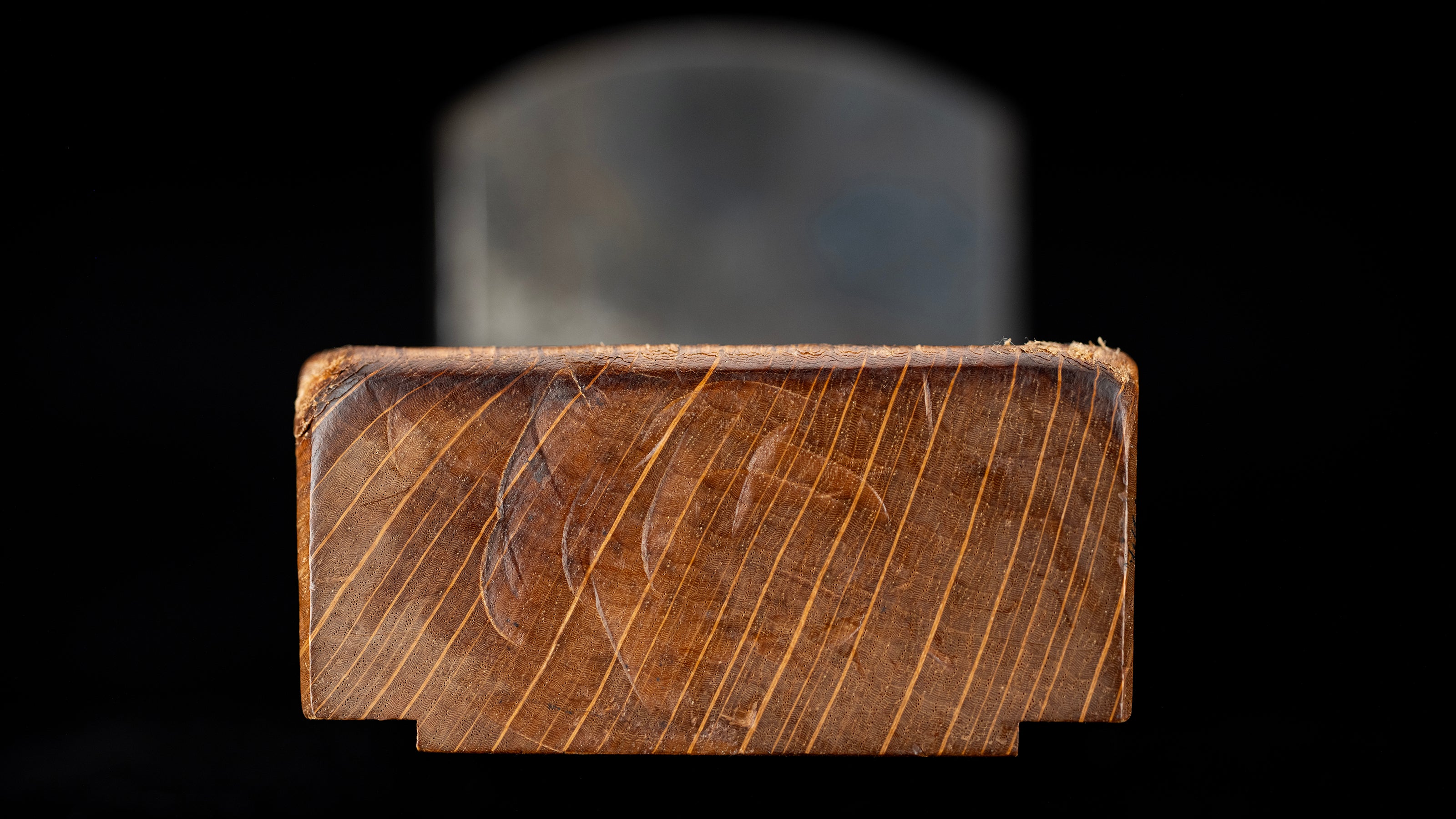
Additional Information: Used, originally acquired from the descendants of a miyadaiku (shrine/temple carpenter) in Chiba Prefecture. The master carpenter passed away a few years ago, and because his family was not familiar with tool maintenance, the blades had developed rust. However, the wooden dai (plane blocks) crafted by Ito Soichiro remain in excellent condition. I have already removed the rust; with further sharpening and proper tuning, it will be fully functional and ready for work once again.
Ito Soichiro was a renowned dai maker from the Tokyo suburbs and the master who taught Mr. Noboru Tsuchida the art of 'Dai-uchi' (block-making). He was widely celebrated as a master craftsman whose blocks were legendary for “ does not loose” and “does not go crazy”. More of his works and information can be found in the book “Creating a plane platform—the establishment and development of a platform in Tokyo.”
The maker of this plane blade could not be determined at the time of acquisition. However, upon appraisal by Mr. Tsuchida, it was identified as a dai-naoshi plane originally sold through his shop. The blade was crafted by Oguma Torasaburo, a blacksmith based in Yoita, Niigata Prefecture. According to Mr. Tsuchida, while these blades were priced very modestly during the Showa period (approximately 2,000 yen for small sizes), they were known for their reliable, stable steel quality and outstanding price-to-performance ratio.
Choose options