

Kanna Japanese Smoothing Plane Blade By Hiromitsu- 86mm
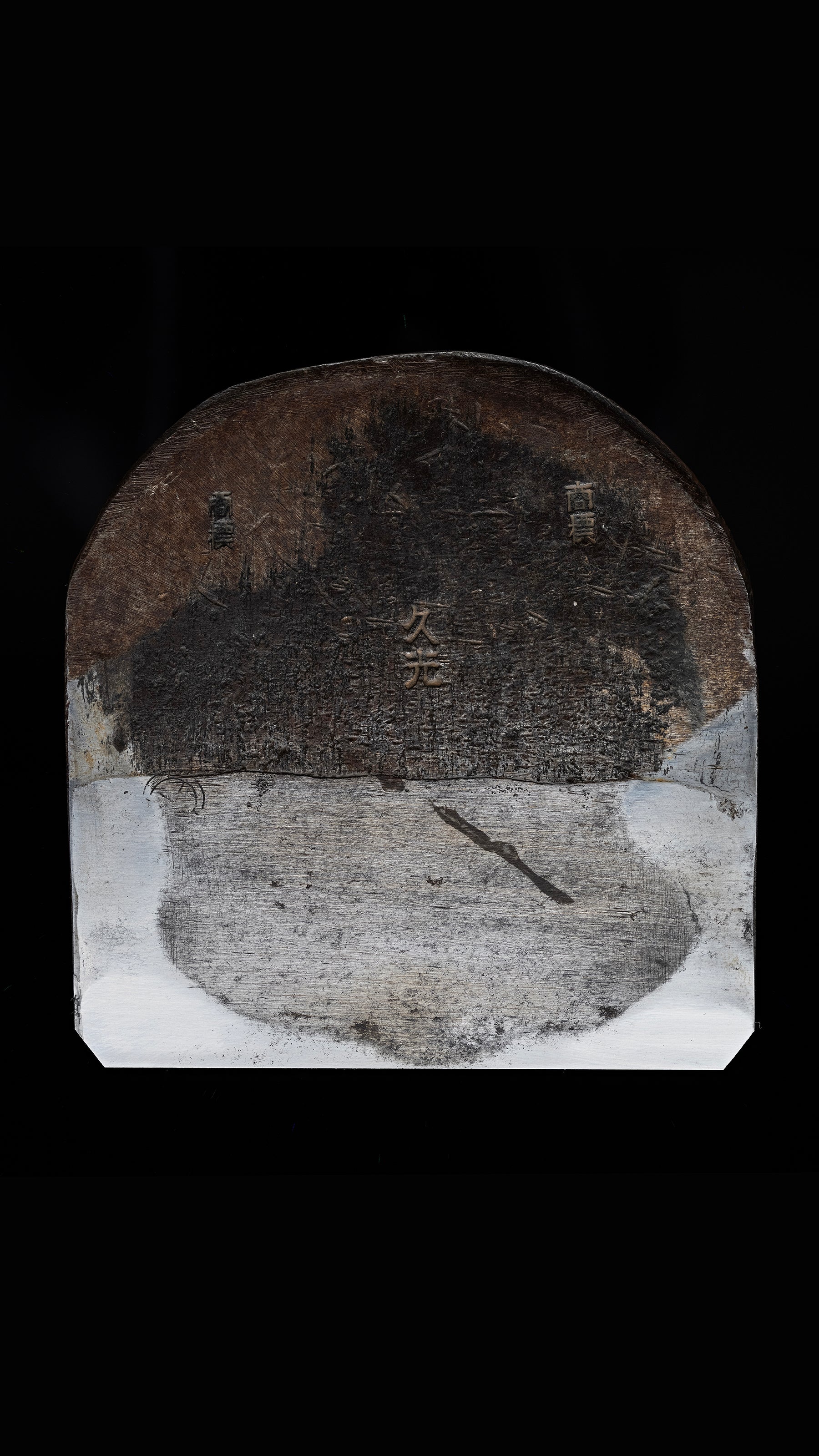
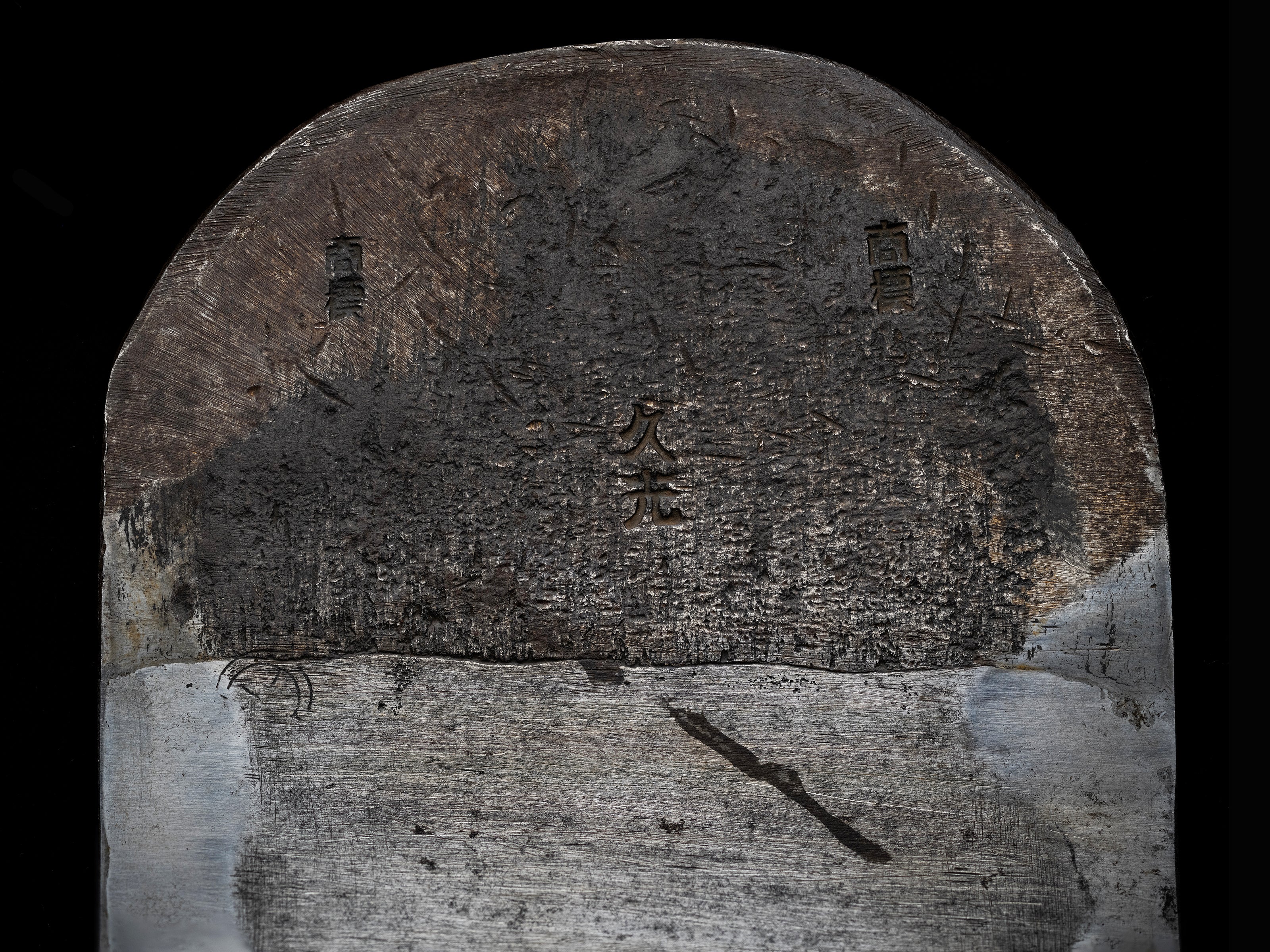
Brand name: Hiromitsu (久光)
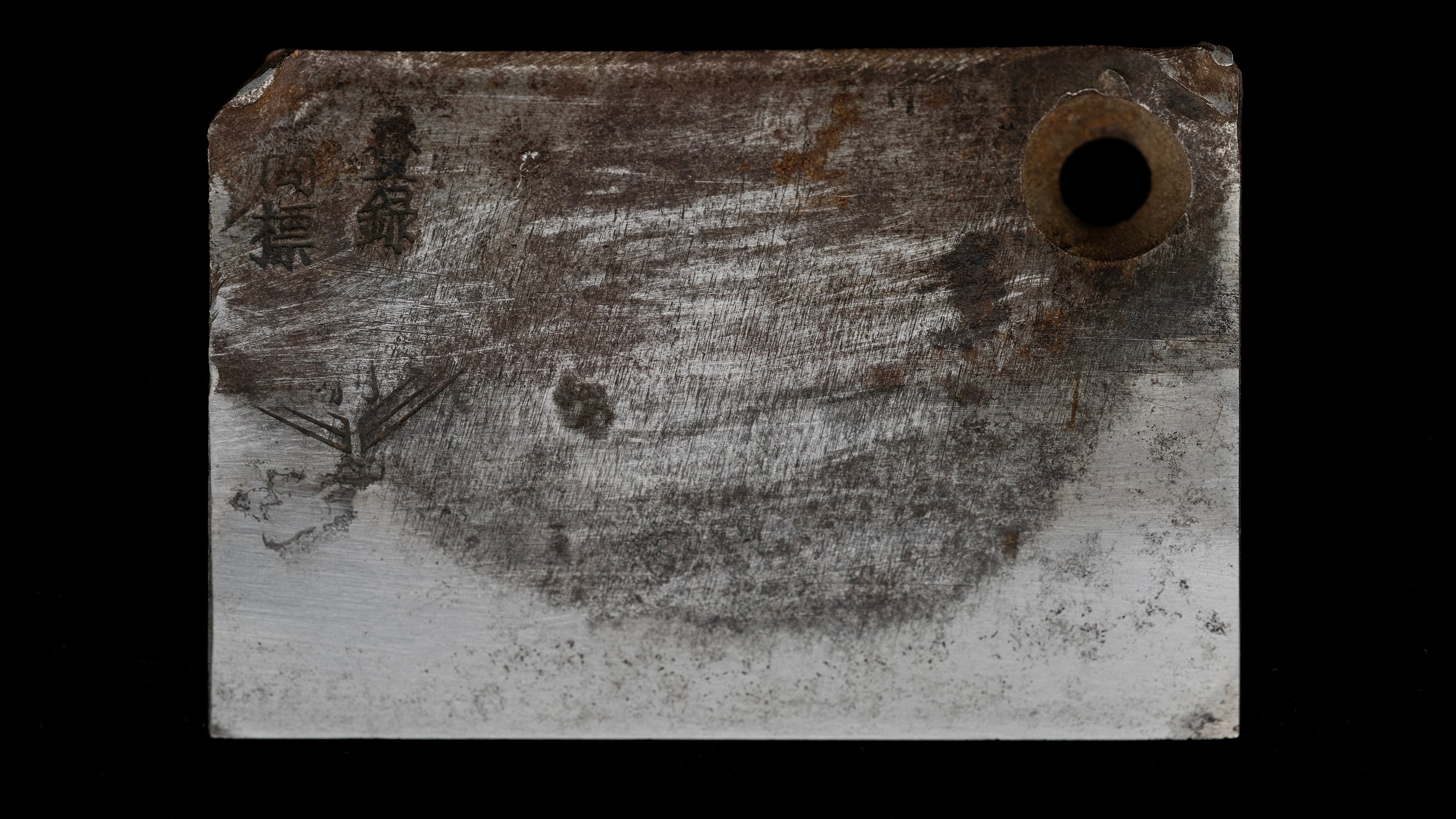
Smith name: Unknown(Judging from the remaining "circular" mark on the left side of the fourth picture, this blacksmith was a member of the Tokyo Chisel Smith Guild before World War II.)
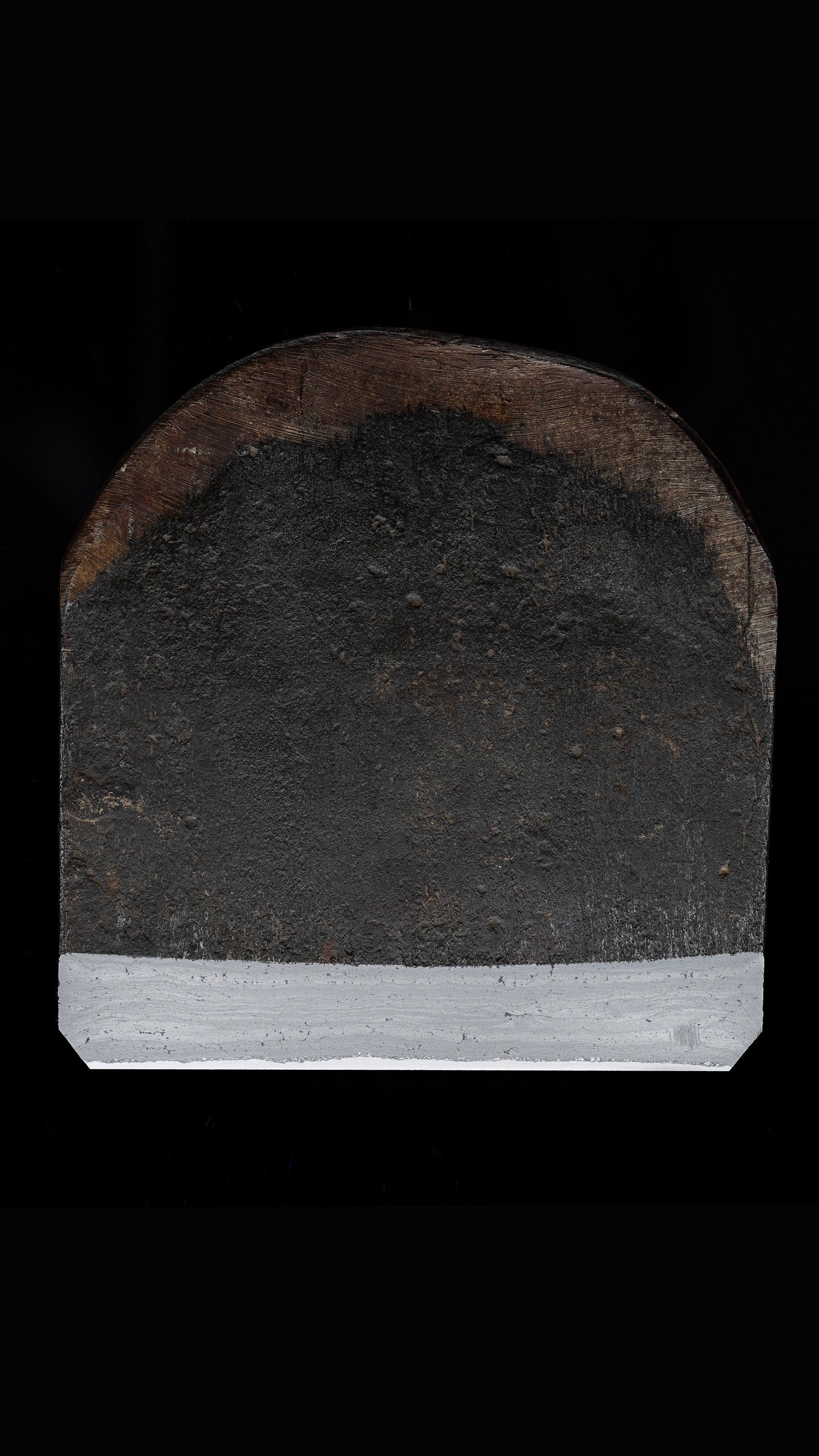
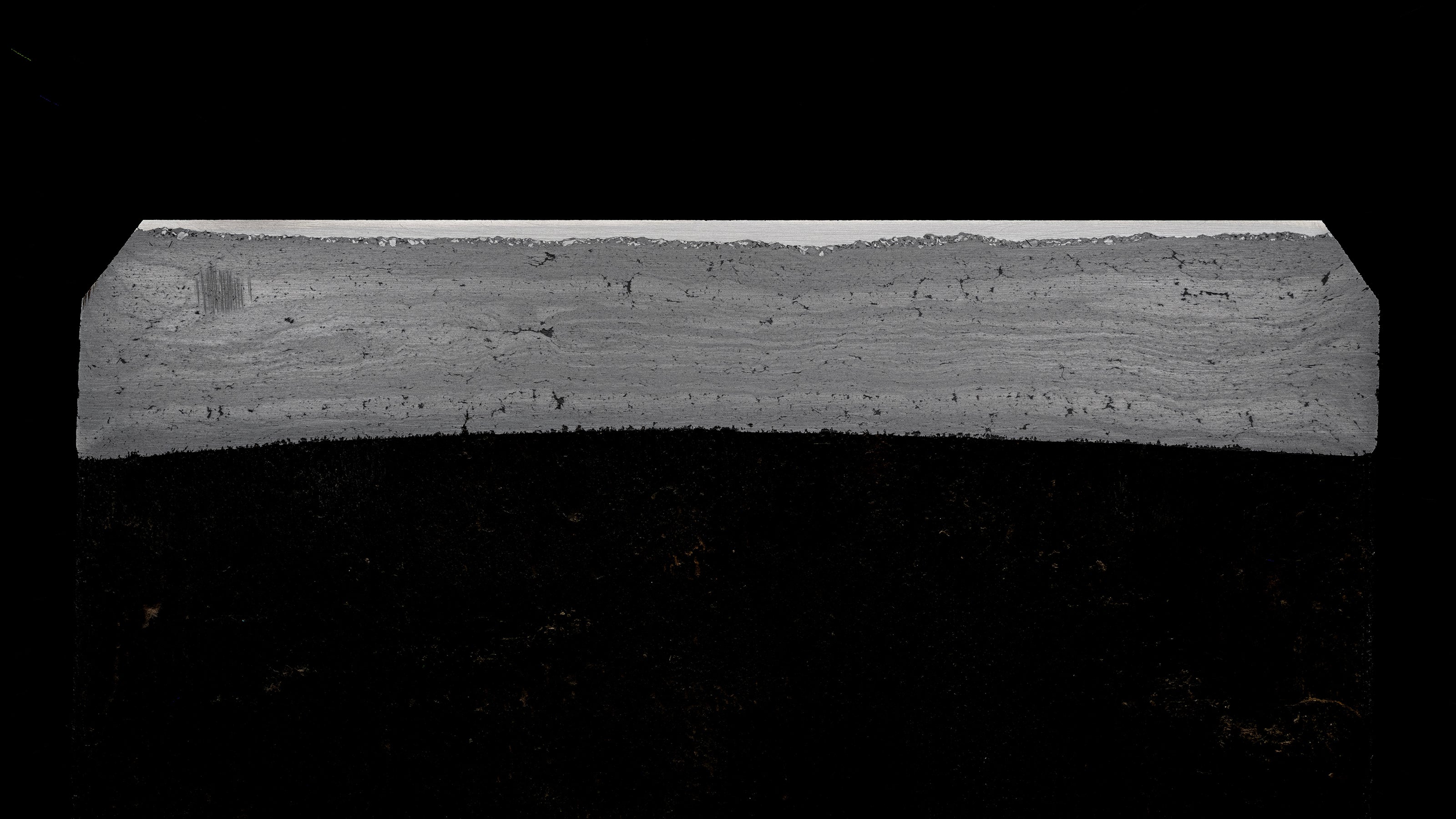
Steel: Most likely tamahagane
Jigane: Watetsu
Blade Width: 86mm
Blade length: 90mm
Blade Weight: 347g
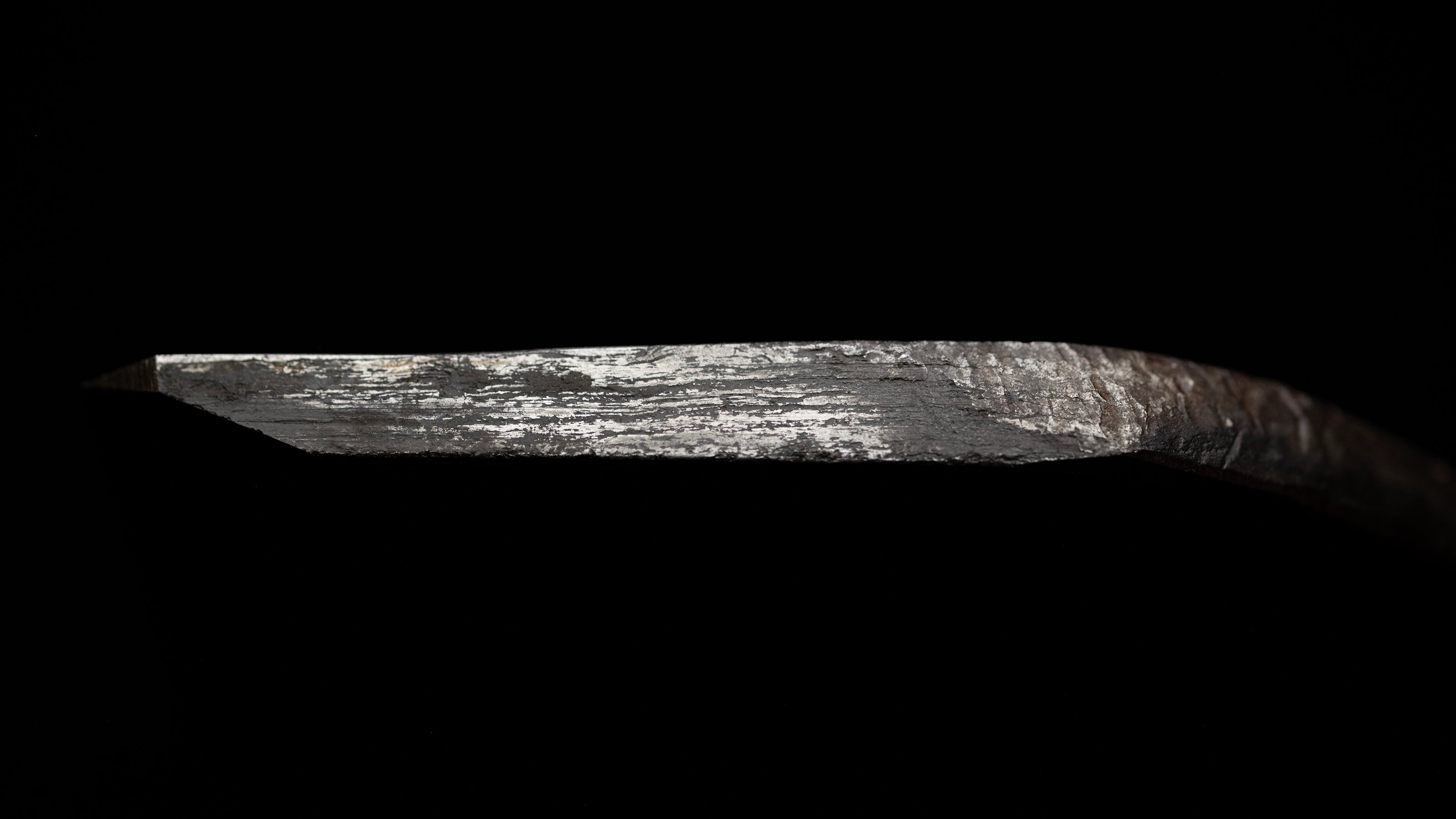
Blade Angles: 23°
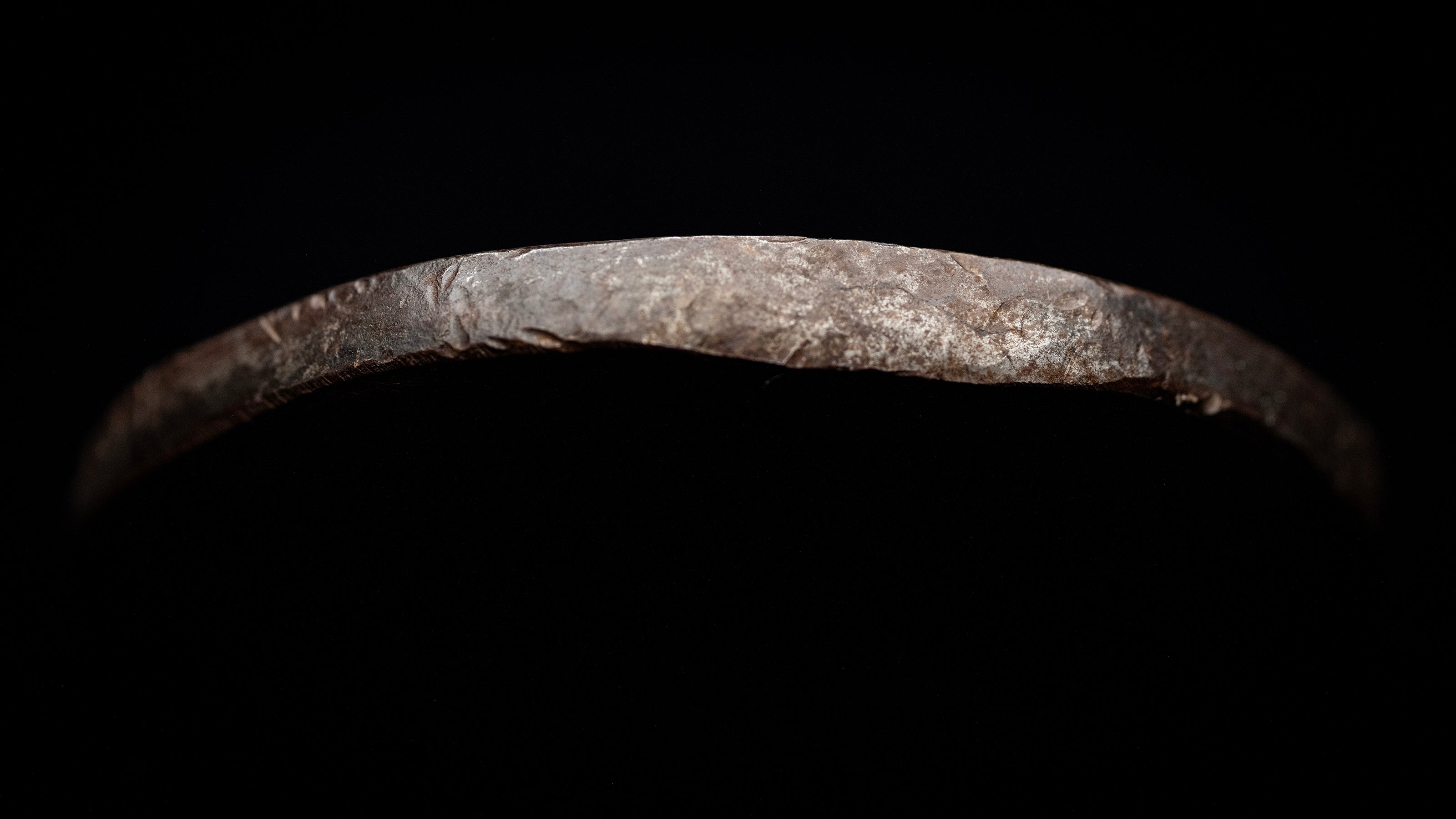
Blade thickness: Blade Bottom(about 8.2mm),Top of Blade(about 6.5mm)
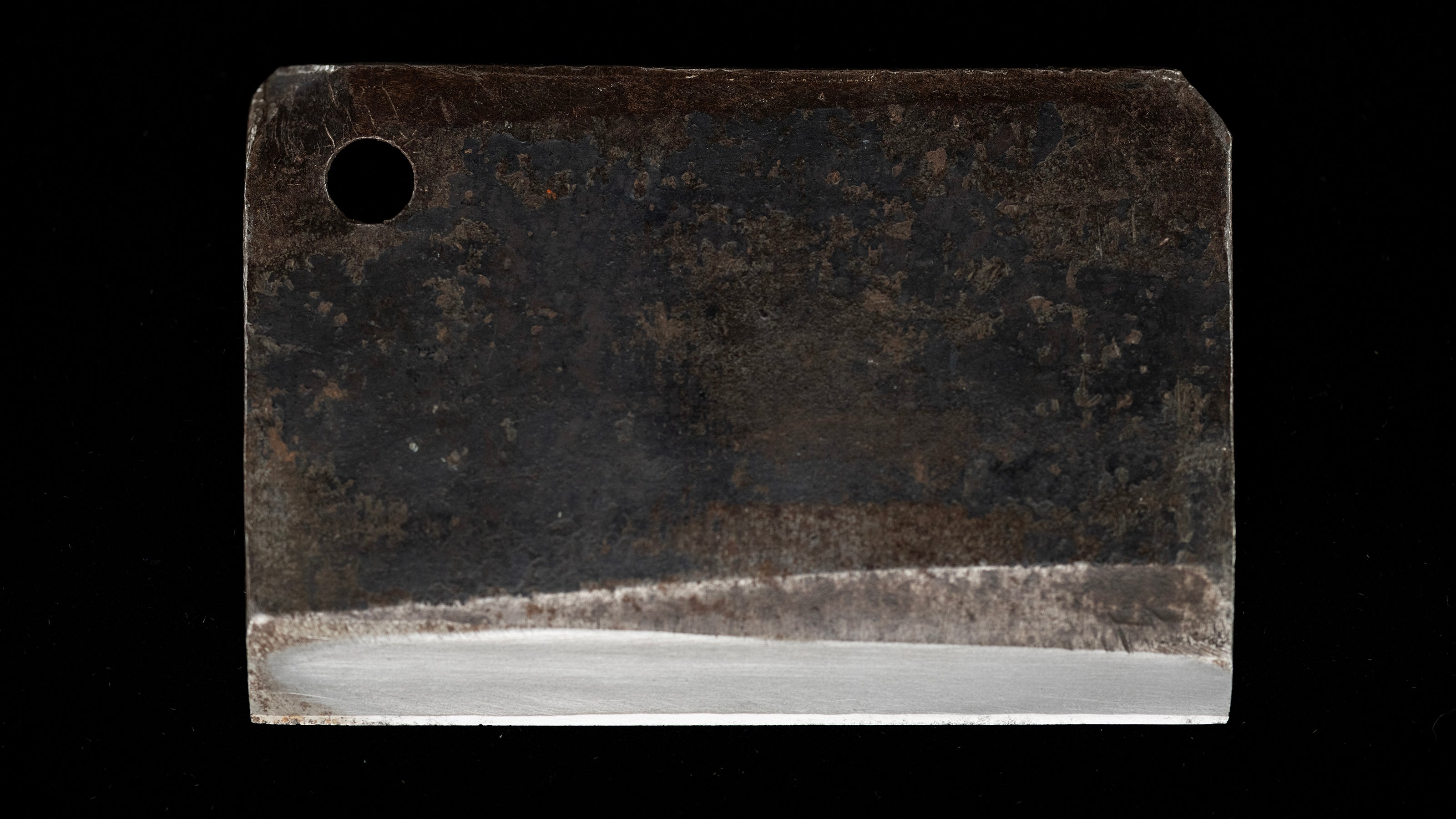
Chip Breaker Width: 75mm
Accessories: -
Manufacture Era: Before 1940
Additional Information: Used, in good condition. It comes from the retired carpenters in the Tokyo area. When I sharpened it, the jigane part was very soft and the steel part was sticky, which was obviously different from modern white steel, blue steel or other special steels.
Its chip breaker is made from a modified tobacco blade. It appeared during the period when Japanese planers transitioned from without chip breaker to with chip breaker.
This paper has a detailed description. 「Historical Changes of the Plane in the Modern Era」by Etsuko Funabiki, 2011. Below I will extract some important content and translate it into English.
"Tobacco came under government control in all aspects—from cultivation and manufacturing to sales—under the Tobacco Monopoly Law, which was promulgated on March 31, 1904, and came into effect on July 1 of the same year. As a result, land, buildings, machinery, and equipment specifically used for tobacco manufacturing were confiscated, while those that could be repurposed for uses other than tobacco production were purchased by the government." —— 三和良一·鈴木俊夫:日本たばこ産業一百年のあゆみ一日本たばこ產業,pp.94-95,2009.9
"To prevent illegal production, tobacco manufacturing machinery that was no longer in use had its cutting blades removed and was thoroughly disposed of."——Masayuki Handa, Co-Director and Chief Curator of the Tobacco and Salt Museum, interviewed the author on December 26, 2009.
"With the enforcement of the Tobacco Monopoly Law in 1904 (Meiji 37), tobacco knives—which had once been a familiar part of daily life—became unnecessary, and it would not be unreasonable to assume that they were repurposed as plane chip breakers. “
"According to the 1934 (Showa 9) issue of the Carpentry Tool Trade Bulletin, tobacco blades were being sold as uragane (chip breaker), suggesting that the reuse of tobacco blades as uragane coincided with the period when blade with chip breaker planes became widespread. Although this remains speculative, it is possible that craftsmen who understood how to prevent tear-out in wood grain experimented with using the readily available tobacco blades as uragane. This can be seen as an extension of the mindset in which craftsmen make their own tools for personal use."
Choose options